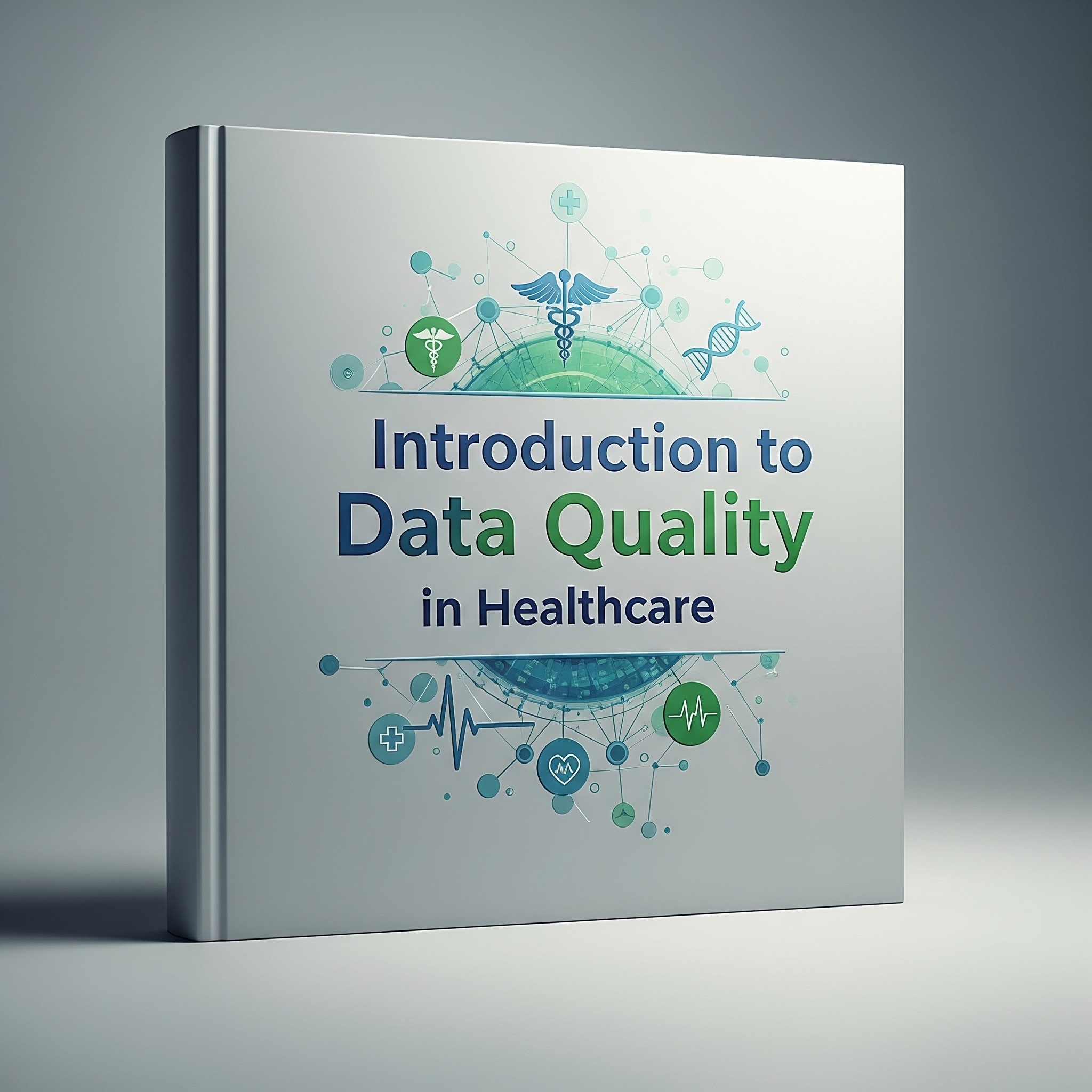
Healthcare Data Management: Introduction to High-Quality Data in Healthcare
$35.00 Add to Cart
 Format: E-course
Duration: 233
Instructors: Coral MED
Learning Credits: 0.4 CEUs
Accrediting Body: IACET
*This course was updated on Jun 30, 2026.
Description
This unit provides learners with a comprehensive introduction to the concepts and dimensions of data quality in healthcare and highlights its critical role in supporting clinical decision-making, patient safety, and operational efficiency. Learners will explore how the key attributes of high-quality data—accuracy, completeness, consistency, timeliness, validity, and integrity—collectively ensure the reliability and trustworthiness of healthcare information. The unit further examines data validation and data cleaning techniques as essential tools for enhancing data consistency, minimizing errors, and improving interoperability across healthcare systems. Through real-world case studies and practical applications, participants will evaluate the consequences of poor data quality on patient outcomes and regulatory compliance, and learn to apply recognized frameworks such as ISO 8000 and Six Sigma to strengthen data quality management within healthcare organizations.
Define data quality within the context of healthcare data management and explain its role in ensuring reliable, accurate, and usable health information. Identify and describe the key dimensions of data quality—accuracy, consistency, and completeness—and their relevance in clinical and operational settings. Assess the importance of maintaining high data quality for effective clinical decision-making and patient safety. Examine how poor data quality negatively impacts patient outcomes, operational efficiency, and compliance with healthcare regulations. Apply appropriate data validation techniques (such as range, format, and consistency checks) to improve healthcare data accuracy and reliability. Demonstrate understanding of data cleaning methods used to enhance data consistency and integrity within healthcare systems. Explore and evaluate the relationship between data quality and patient safety, emphasizing the ethical and regulatory implications of data accuracy in healthcare.
Upon completing this unit, learners will be able to: Demonstrate a comprehensive understanding of data quality concepts and dimensions within healthcare. Evaluate the accuracy, consistency, and completeness of healthcare data using recognized frameworks and metrics. Implement data validation and cleaning processes to ensure interoperability and reliability across systems. Assess and monitor data quality performance using KPIs, dashboards, and continuous improvement tools. Integrate data quality principles into healthcare data governance and compliance frameworks to enhance decision-making and patient safety.
A basic understanding of healthcare operations or data systems. Familiarity with data entry, spreadsheets, or databases. Interest in healthcare informatics, data management, or compliance.
Follow Coral Plus LMS policies: participation, integrity, respectful conduct, HIPAA/privacy adherence, timely completion of assessments. 1. Participants should register in advance to receive access details. 2. Access links and passwords, if applicable, should be provided securely to registered participants. 3. Participants are encouraged to join the webinar a few minutes early to resolve any technical issues 4. Participants are responsible for ensuring a stable internet connection, compatible devices (computer, tablet, or smartphone), and recommended browsers. 5. A microphone and webcam may be required for interactive sessions. Please test your audio and video settings in advance. 6. The webinar may be recorded for educational purposes. 7. Recorded sessions may be shared with registered participants after the webinar. 8. Please be mindful not to share personal or confidential information during the webinar. 9. A detailed agenda will be provided, and each session will adhere to the schedule to cover all planned topics. 10. Time will be allocated for Q&A sessions and discussions. 11. A helpdesk or contact information for technical support will be provided during the webinar. 12. Common technical issues will be addressed at the beginning of the session. 13. Relevant resources, such as presentation slides or additional reading materials, will be shared after the webinar.
Health information managers and data analysts seeking to enhance data accuracy and reliability. Healthcare IT professionals responsible for maintaining data systems and ensuring data integrity. Quality assurance and compliance officers overseeing regulatory adherence in healthcare organizations. Clinicians and administrators aiming to improve patient outcomes through better data-driven decision-making. Students and professionals pursuing careers in health informatics, clinical analytics, or public health data management.
Disclosure: The instructor(s) have disclosed no proprietary interests in any products, instruments, devices, or materials discussed in this course. Coral MED maintains full independence, objectivity, and scientific integrity in its educational activities
 View Details
