Clinical Integration: Global Health Policy and Comparative Health Systems
$35.00 Add to Cart
 Format: On demand
Duration: 120 Mins
Instructors: Coral MED
Learning Credits: 0.3 CEUs
Accrediting Body: Coral MED
*This course was updated on Jun 30, 2026.
Description
0.2
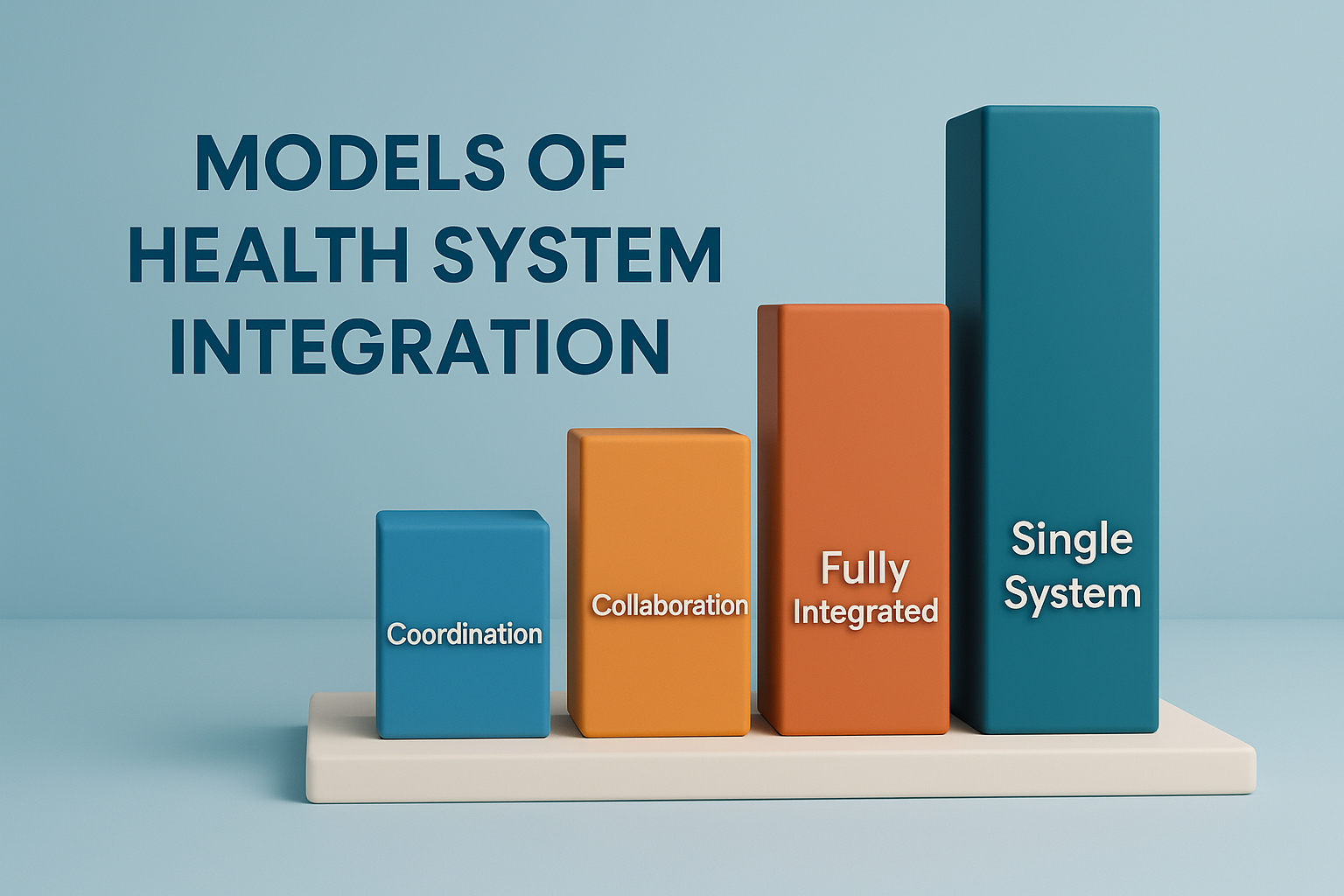
Identify international actors in health policy Compare core health system models globally Summarize lessons from successful global reforms Analyze cross-national policy transfer examples Evaluate global indicators used in comparisons Critique disparities in global health outcomes
After completing this course, learners will be able to identify and analyze the roles of key international actors—including governments, multilateral organizations, NGOs, and private sector entities—in shaping global health policy and practice. Learners will compare different healthcare system models used globally, assessing their structural features, financing mechanisms, and outcomes to understand how countries address healthcare challenges differently. Learners will extract evidence-based lessons from successful health reforms in different countries and apply this learning to understand what factors enable policy success across diverse contexts. Learners will analyze how health policies transfer between countries, identifying barriers and facilitators to policy adoption and adaptation. Learners will evaluate the validity and limitations of global health indicators used to compare healthcare performance, and they will critically examine global health disparities, exploring the social, economic, and political determinants underlying inequities in health outcomes.
While not required, learners will benefit from foundational knowledge of healthcare systems and health policy basics, familiarity with international development concepts, and awareness of global health challenges. Prior exposure to epidemiology, public health principles, or comparative research methodologies would enhance analytical depth. Learners without this background can still succeed, as the course explains global health concepts, comparative analysis frameworks, and international health structures from foundational principles and provides concrete international examples throughout.
Follow Coral Plus LMS policies: participation, integrity, respectful conduct, HIPAA/privacy adherence, timely completion of assessments. 1. Participants should register in advance to receive access details. 2. Access links and passwords, if applicable, should be provided securely to registered participants. 3. Participants are encouraged to join the webinar a few minutes early to resolve any technical issues 4. Participants are responsible for ensuring a stable internet connection, compatible devices (computer, tablet, or smartphone), and recommended browsers. 5. A microphone and webcam may be required for interactive sessions. Please test your audio and video settings in advance. 6. The webinar may be recorded for educational purposes. 7. Recorded sessions may be shared with registered participants after the webinar. 8. Please be mindful not to share personal or confidential information during the webinar. 9. A detailed agenda will be provided, and each session will adhere to the schedule to cover all planned topics. 10. Time will be allocated for Q&A sessions and discussions. 11. A helpdesk or contact information for technical support will be provided during the webinar. 12. Common technical issues will be addressed at the beginning of the session. 13. Relevant resources, such as presentation slides or additional reading materials, will be shared after the webinar. Proprietary Interest Policy: It is the policy of Coral MED that if instructors have a vested interest in any product, instrument, device, or materials that may be used in the learning event, they must disclose this interest. Further, if the instructors receive any share of the royalties or profits from the product promotion or endorsement, the interest must be disclosed to the learner. If there are any breaches of this policy, please contact Coral MED at +1 (808) 913-7979 OR send an email to compliance@coralmed-inc.com Anti Discrimination Policy: Coral MED is committed to providing work and learning environments free of sexual or any form of unlawful harassment or discrimination. Harassment or unlawful discrimination against individuals on the basis of race, religion, creed, color, national origin, sex, sexual orientation, gender identity, age, ancestry, physical or mental disability, medical condition including medical characteristics, marital status or any other classification protected by local, state or federal laws is illegal and prohibited by Coral MED policy. If there are any breaches of this policy, please contact Coral MED at +1 (808) 913-7979 or send an email to compliance@coralmed-inc.com 6) Privacy & Data Protection Policy Coral MED values the privacy, security, and integrity of your learner records. Your information is managed in accordance with Policy CM012 – Learner Records Privacy and Data Security Policy, which complies with applicable data protection laws and accreditation standards.How to Request the Release or Correction of Your Records If you wish to obtain, release, or correct your learner records, please follow these steps: 1. Submit a written or electronic request to: elearn@coralmed-inc.com ↗ . 2. Include your full name, learner ID, and specific request type (e.g., transcript, name correction, verification letter). 3. Requests are processed within 10 business days of verification. 4. You will receive an email confirmation once your request has been fulfilled. Notification of Record Availability Upon completion of a learning event, Coral MED notifies learners via email when official records (e.g., transcripts, certificates, or CEUs) are issued or available for download within the LMS. You may review the full policy at any time by visiting:. View Policy ↗
This course is valuable for healthcare professionals, policymakers, and administrators working in international health organizations or seeking to understand healthcare systems beyond their own countries. Global health workers, international development professionals, and those involved in health diplomacy will gain critical perspectives on policy variation and transfer. Healthcare students, nursing educators, and researchers conducting comparative health systems analysis will benefit from frameworks for evaluating different models and understanding global health disparities. Government health officials and policy advisors seeking to learn from international best practices and adapt policies to local contexts will find practical insights into successful global health reforms and the conditions supporting policy adoption across different settings.
Disclosure: The instructor(s) have disclosed no proprietary interests in any products, instruments, devices, or materials discussed in this course. Coral MED maintains full independence, objectivity, and scientific integrity in its educational activities
 View Details