Clinical Integration: Conflict Management and Resolution in Healthcare Teams
$35.00 Add to Cart
 Format: E-course
Duration: Approx. 3.5 hours
Contact hours: 3.49
Instructors: Coral MED
Learning Credits: 0.3 CEUs
KMLTTB CPD: 3.49
Price status: Final
Accrediting Body: IACET
*This course was updated on Jun 30, 2026.
Description
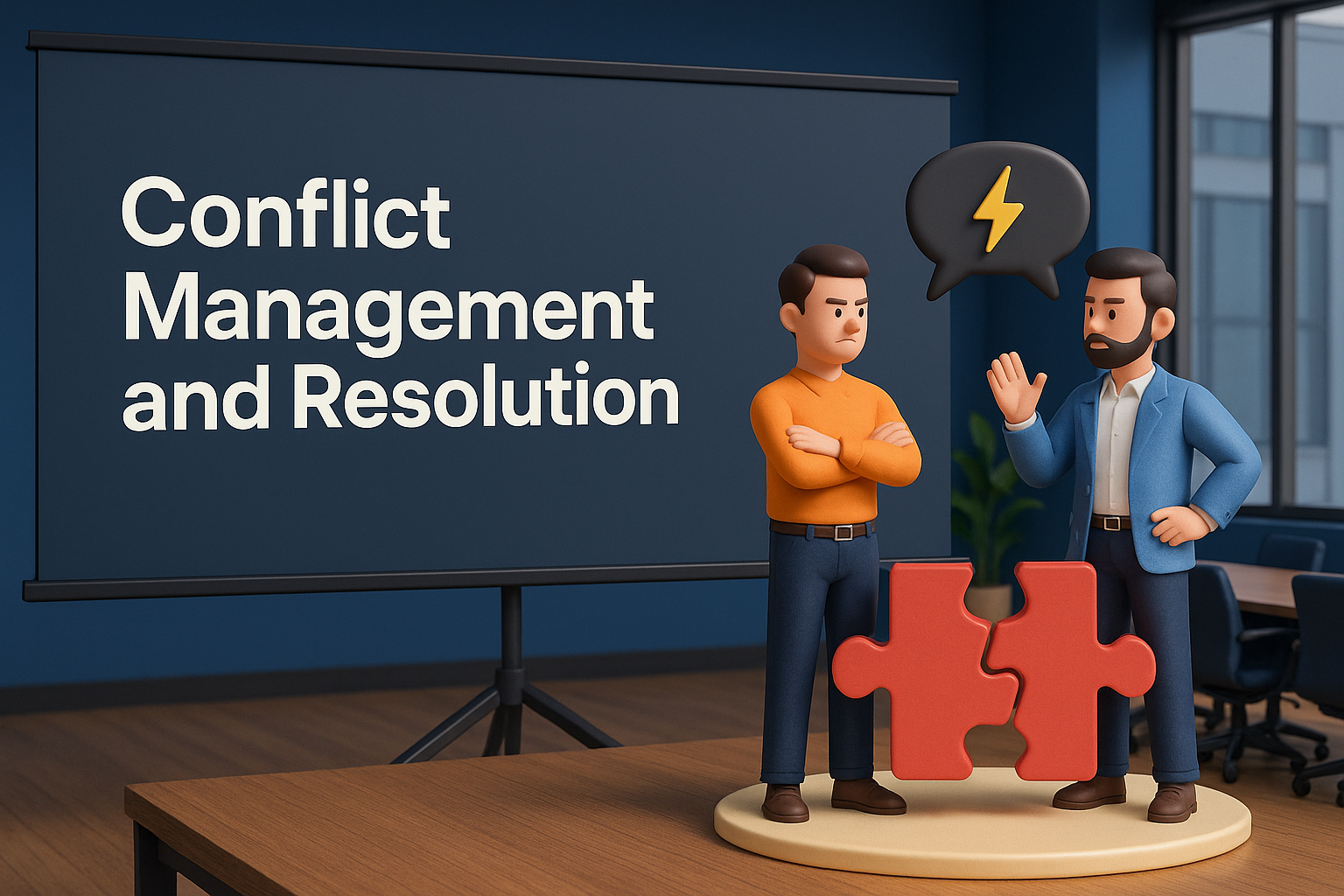
This unit equips adult learners with knowledge and practical tools to recognize, address, and resolve conflict in clinical and collaborative care settings. Learners explore the root causes of conflict such as role ambiguity, hierarchical dynamics, communication breakdowns, and value clashes through engaging self-paced modules and real-world simulations. The unit emphasizes constructive conflict resolution strategies including negotiation, mediation, structured dialogue, and frameworks like the Thomas-Kilmann Conflict Mode Instrument.
Identify different types and sources of conflict in healthcare teams Describe personal and professional conflict resolution styles Apply conflict de-escalation techniques in simulated scenarios Analyze the impact of unresolved conflict on team performance Evaluate different conflict resolution strategies in clinical settings Develop a plan for mediating a common interprofessional conflict Demonstrate collaborative problem-solving during a team-based simulation
Upon completion, learners will master conflict recognition and classification across task-related, interpersonal, and organizational dimensions. They will develop emotional intelligence skills to regulate responses and increase empathy, apply de-escalation techniques and interest-based negotiation, practice assertive and respectful communication, facilitate mediation and resolution planning, and create environments of psychological safety where team members feel empowered to speak up. Learners will be able to analyze conflict impacts on team performance and translate conflict management theory into real-world practice.
No specific prerequisites are required. The unit is designed for self-paced, learners in healthcare settings. Basic familiarity with healthcare team structures, interprofessional collaboration, and clinical environments is helpful but not mandatory. Learners should have foundational knowledge of teamwork principles.
Healthcare professionals including nurses, physicians, allied health workers, administrators, and support staff engaged in interprofessional team-based care delivery. The unit is particularly valuable for those working in high-pressure environments such as emergency departments, intensive care units, operating rooms, and primary care settings where effective conflict management is critical to patient safety, team cohesion, and care quality. Clinical leaders, supervisors, and managers will find this unit especially beneficial for developing mediation and team resolution skills.
Disclosure: The instructor(s) have disclosed no proprietary interests in any products, instruments, devices, or materials discussed in this course. Coral MED maintains full independence, objectivity, and scientific integrity in its educational activities
 View Details