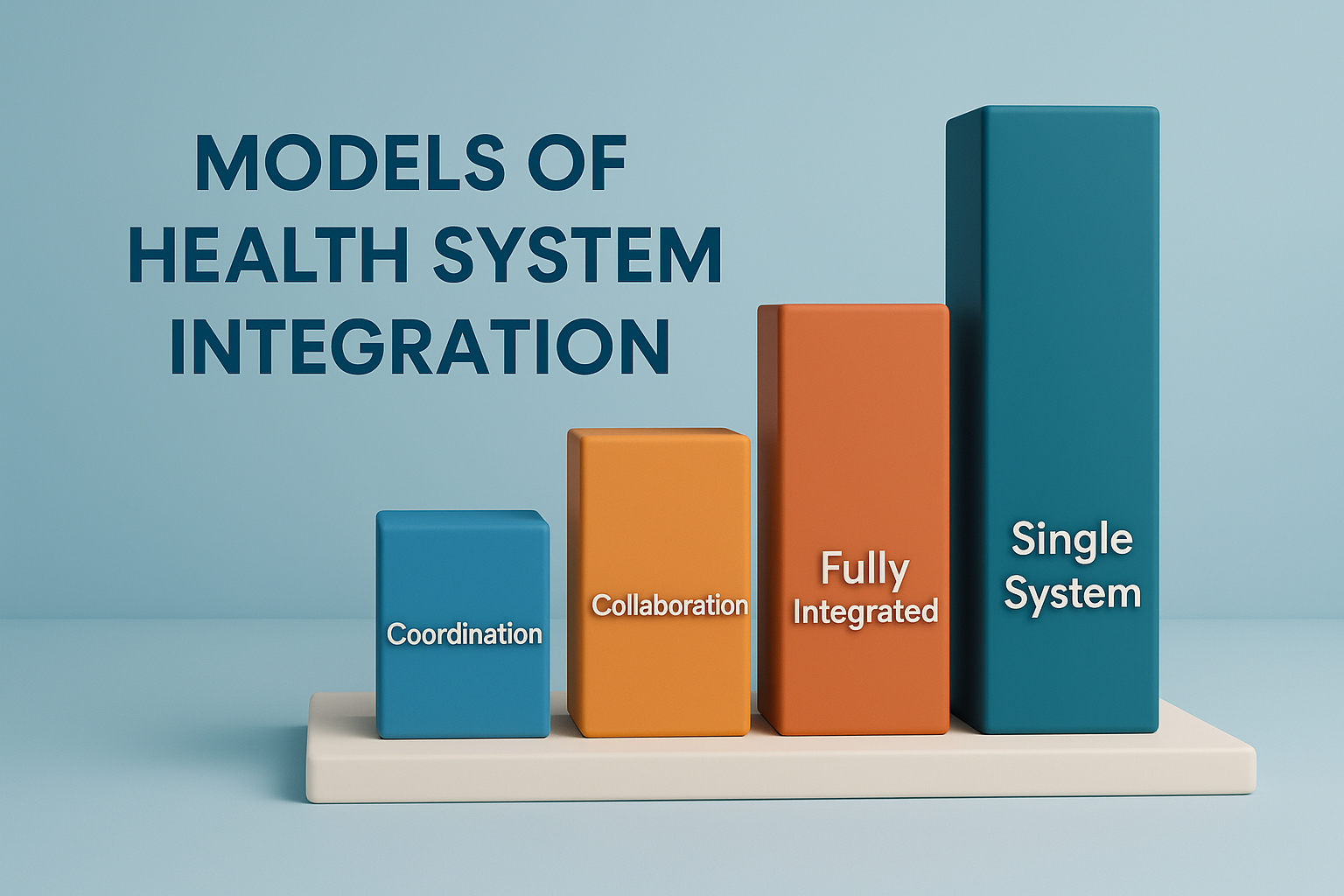
Clinical Integration: Interprofessional Practice
$29.00 Add to Cart
 Format: E-course
Duration: Approx. 2.9 hours
Contact hours: 2.88
Instructors: Coral MED
Learning Credits: 0.3 CEUs
KMLTTB CPD: 2.88
Price status: Provisional: time incomplete
Accrediting Body: IACET
*This course was updated on Jun 30, 2026.
Description
This course provides a comprehensive foundation in interprofessional collaboration within primary care, emphasizing teamwork, shared decision-making, and patient-centered care. Participants will explore strategies to enhance communication, define professional roles, and address ethical and cultural dimensions that influence collaboration. Through interactive scenarios and applied case studies, learners will develop the ability to work effectively across disciplines to improve patient outcomes and care coordination. Upon completion, participants will gain a deeper understanding of how integrated teamwork enhances the quality, safety, and equity of healthcare delivery.
Define key terminology and core principles of interprofessional practice Describe the roles and responsibilities of various healthcare professionals. Apply communication strategies to foster effective collaboration. Analyze interprofessional team dynamics in different healthcare scenarios. Evaluate ethical dilemmas using interprofessional perspectives. Design team-based approaches to address complex patient care issues. Demonstrate effective participation in simulated interprofessional teams
By the end of the course, participants will be able to demonstrate effective communication and collaboration across diverse healthcare professions. They will apply teamwork principles to real-world scenarios involving chronic disease management, preventive care, and behavioral health integration. Learners will also create team charters and strategies to improve coordination and conflict resolution in interprofessional settings. Graduates of the course will be able to actively participate in designing and implementing collaborative care plans that improve health outcomes and organizational efficiency.
Participants should possess a foundational understanding of healthcare delivery systems and basic clinical or administrative experience within a healthcare environment. Familiarity with patient care processes, professional ethics, and communication in healthcare teams is recommended. The course is suitable for individuals currently engaged in or preparing for interprofessional work within hospitals, clinics, or community health settings. Basic computer literacy and access to online resources will support full engagement with the course materials.
This course is ideal for healthcare professionals, administrators, and students from disciplines such as medicine, nursing, pharmacy, public health, social work, and allied health. It is also beneficial for team leaders and managers seeking to strengthen interprofessional collaboration and improve care coordination in their organizations. Policymakers and educators interested in promoting integrated care models will also gain valuable insights from the course. Upon completion, participants will be well-prepared to lead or contribute effectively to collaborative, patient-centered healthcare teams and will receive a certificate of completion recognizing their achievement.
Disclosure: The instructor(s) have disclosed no proprietary interests in any products, instruments, devices, or materials discussed in this course. Coral MED maintains full independence, objectivity, and scientific integrity in its educational activities
 View Details